Why Welds Fail and What You Can Do to Fix and Prevent Problems
Structural welding can face many challenges, from weak joints to cracked steel. Most problems happen because of poor prep work, wrong settings, or environmental factors. The good news is that many of these issues can be found early and corrected with the right process and inspection steps. When you know what to look for, you can fix small problems before they turn into major structural risks.
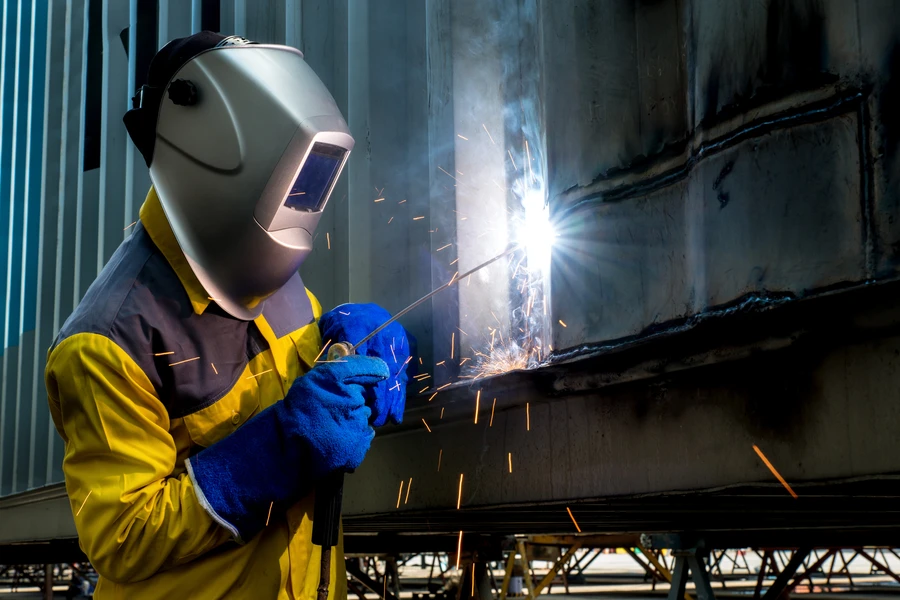
Common Symptoms of Welding Problems
Welding defects do not always show up right away. Some appear during fabrication. Others show up months later under load or stress. Spotting the warning signs early keeps projects safe.
- Visible cracks along the bead
- Porosity or small holes in the weld
- Undercutting along the edges of the metal
- Warped or bent steel members
- Weak joints that fail under pressure
- Excess spatter and uneven bead lines
If you see any of these issues, the weld may not meet structural standards.
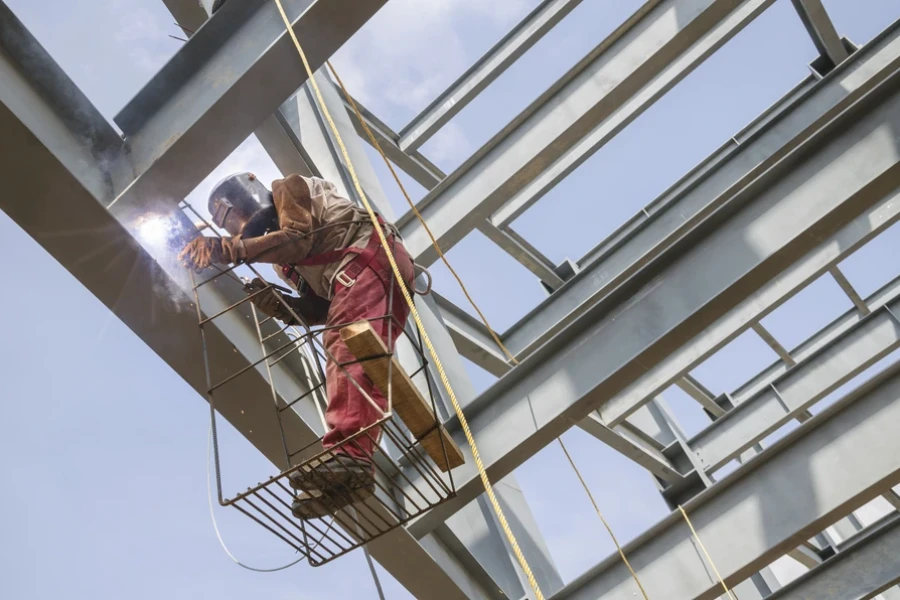
Likely Causes Behind These Issues
Most structural welding defects link back to a few common causes. One major cause is poor surface preparation. Dirt, oil, rust, or paint can weaken the bond between metal pieces.
Another common cause is using the wrong voltage or amperage settings. If the heat is too low, the weld will not fully penetrate. If it is too high, the metal can burn through or weaken.
Environmental factors also play a role. Wind can affect shielding gas. Cold weather can cause steel to crack. Moisture can lead to porosity.
In some cases, the wrong filler material is used. Not all metals work well together. Matching materials is key for strength and durability.
What to Check First
Before cutting out a weld, start with a basic inspection. Simple checks can save time and money.
- Inspect the weld bead for visible cracks or gaps.
- Check for proper penetration on the backside of the joint.
- Review machine settings and confirm correct amperage.
- Verify that the base metal was cleaned before welding.
- Confirm the filler metal matches project specifications.
These steps help narrow down the root cause quickly.
Safe Fixes Vs Pro-Level Repairs
Some welding corrections are straightforward. Others require advanced skill and certification.
Safe fixes may include grinding out minor surface defects and re-welding the joint with proper prep. Adjusting machine settings and improving your technique can also solve small problems.
Pro-level repairs involve structural joints that carry heavy loads. These welds often require certified inspection methods like ultrasonic or X-ray testing. If the weld supports beams, columns, or load-bearing frames, repairs must meet strict building codes.
Structural welding on bridges, commercial buildings, and steel frameworks should always follow code requirements. Cutting corners can lead to safety hazards and failed inspections.
Prevention Tips for Long-Term Strength
Preventing welding issues costs far less than fixing structural damage later. A strong prep and inspection routine helps avoid most common challenges.
- Always clean metal surfaces before welding.
- Store filler materials in dry conditions.
- Protect weld areas from wind and moisture.
- Use proper joint design for the load type.
- Follow certified welding procedures.
- Inspect welds before final installation.
Training also matters. Even experienced welders benefit from ongoing education and updated certifications. Codes and standards can change, and staying current reduces risk.
Planning ahead makes a big difference. Review structural drawings carefully. Double-check measurements. Make sure materials match project specs. Strong planning leads to stronger welds.
When to Call a Professional
If welds support heavy loads or fail inspections, professional help is the safest route. Major cracks, repeated failures, or structural shifting are signs the issue runs deeper. A qualified structural welding expert can test the joint, identify hidden defects, and provide code-compliant repairs.
Large commercial or industrial projects often require documented procedures and certified welders. Bringing in an experienced specialist protects the structure and reduces liability.
Get Reliable Structural Welding Help
If you are dealing with cracked welds, failed inspections, or ongoing structural issues in Demopolis, AL, I can help identify the problem and provide solid, code-compliant repairs. At JA Custom Fabrication and Welding Service, I focus on safe, durable structural welding that holds up under real-world stress. Call me at (334) 468-6750 to discuss your project and get dependable results that last.