Why the Quality of Each Joint Determines How Strong and Safe a Pipeline Will Be
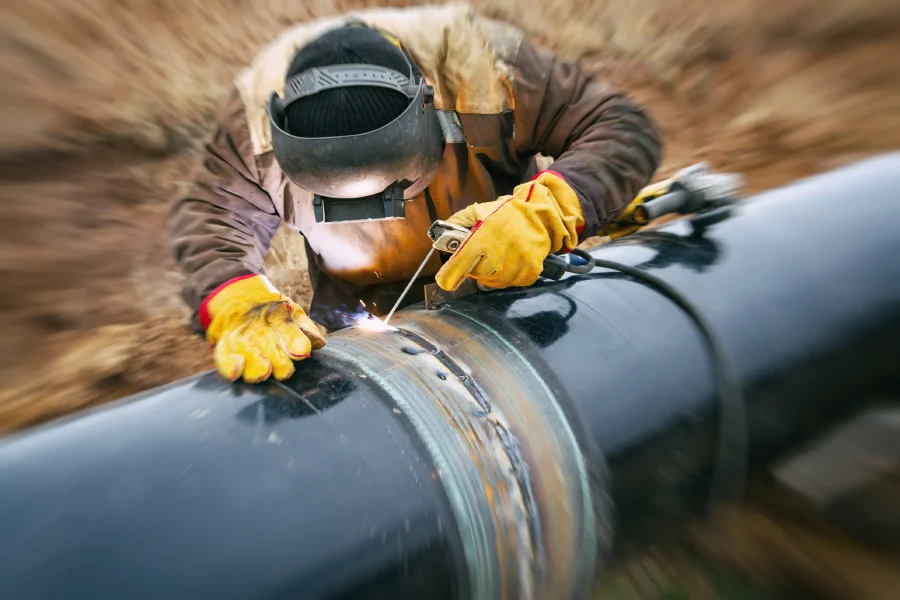
Pipeline welds affect structural integrity because every welded joint becomes part of the pipe’s strength system. If a weld is solid and clean, the pipeline can handle pressure, movement, and weather. If a weld is weak, cracked, or uneven, it creates a weak point that can fail under stress. In many cases, the pipe itself is strong enough, but the weld is where problems begin.
What You Need Before Starting
Before any pipeline welding begins, careful planning is needed. Welds are not just metal stuck together. They must match the pipe material, wall thickness, and pressure demands.
Here is what should be ready:
- Correct welding procedure for the pipe material
- Clean pipe surfaces free of dirt, oil, or rust
- Proper filler metal that matches pipe strength
- Skilled welder trained in structural welds
- Inspection plan, such as X-ray or ultrasonic testing
Missing even one of these steps can lower the strength of the entire line.
How Welds Contribute to Structural Strength
Every time two pipe sections join, the weld must carry the same load as the base metal. That includes:
- Internal pressure from gas, oil, or water
- External loads from soil weight or traffic above
- Temperature changes that cause expansion and shrinkage
- Ground movement or vibration
If pipeline welding is performed correctly, the weld becomes as strong as the pipe. A proper weld spreads stress evenly across the joint. This prevents cracking and fatigue over time.
However, if weld penetration is too shallow or heat is uneven, stress collects in one small area. That small flaw can grow into a crack. Under pressure, that crack can expand and lead to leaks or pipe failure.
Common Mistakes That Weaken Welds
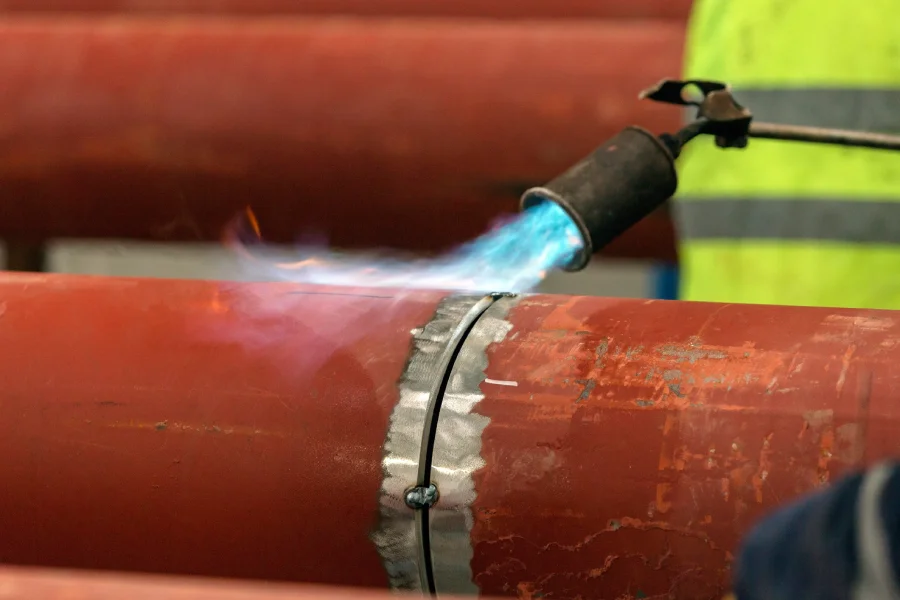
Many structural failures trace back to simple welding errors. These mistakes often happen when speed is valued over precision.
- Poor joint fit-up before welding
- Incorrect heat settings
- Skipping surface preparation
- Using the wrong filler rod
- Not allowing proper cooling time
For example, if pipes are not aligned correctly, the weld bead may look fine on the outside but have gaps inside. Those hidden flaws reduce strength. Over time, repeated pressure cycles can turn those flaws into full fractures.
Why Inspection Matters
Strong structural integrity depends on more than just laying a bead of weld. Testing confirms the weld can handle its workload.
Common inspection methods include:
- Visual inspection for surface defects
- Radiographic testing to see inside the weld
- Ultrasonic testing to detect internal cracks
- Pressure testing after installation
These checks help spot problems before the pipeline goes into service. Fixing a weld during installation costs far less than repairing a failed pipeline later.
When to Call a Professional
Pipeline systems are not like small welding projects in a garage. They carry hazardous materials, operate under high pressure, and must meet strict codes. If a project involves structural or pressure-rated pipe, it should be handled by trained professionals.
Call for expert help when:
- The pipeline carries fuel, chemicals, or high-pressure water
- The project must pass inspection or code review
- The pipe wall is thick or large in diameter
- The line will be buried underground
A certified welder who specializes in pipeline welding understands heat control, weld sequencing, and inspection standards. That knowledge protects the long-term integrity of the system.
Final Recommendation and Next Steps
If you are planning a pipeline project in Demopolis, AL, strong welds are the foundation of a safe system. I focus on proper preparation, accurate alignment, and careful inspection on every job I take through JA Custom Fabrication and Welding Service. Each pipe joint I complete is treated as a structural connection, not just a seam. If you have questions or want to talk about your project, call me at (334) 468-6750 and I will be glad to help.