Failed Joints Can Slow, Block, or Contaminate the Line
Weld failures can disrupt pipeline flow by causing leaks, blockages, pressure loss, and even full shutdowns. When a weld cracks or separates, the pipe can no longer move product the right way. Flow becomes uneven. Pressure drops. In some cases, the line must be shut down for safety. In areas like Demopolis, AL, where pipelines may carry water, gas, or fuel for long distances, even a small weld defect can create big problems fast.
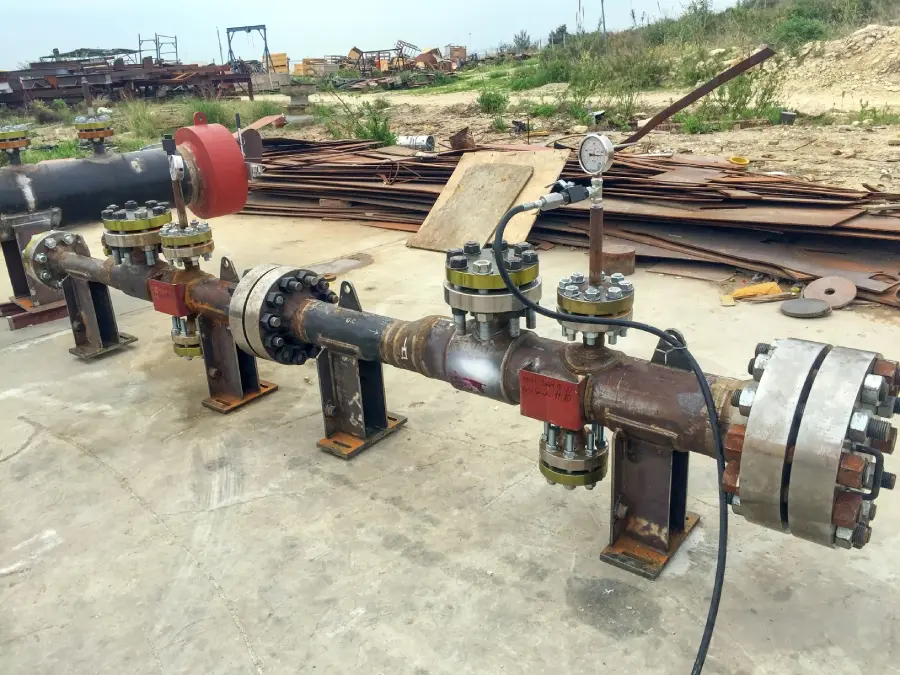
Common Symptoms of Weld-Related Flow Problems
Pipeline issues do not always start with a visible leak. Many times, the first signs are subtle. Operators may notice pressure swings or slower delivery rates. Over time, these small signs grow into larger failures.
- Sudden drop in line pressure
- Reduced flow rate at delivery points
- Unusual vibrations near pipe joints
- Visible leaking at seam areas
- Rust or corrosion forming around a weld
- Product contamination from debris
These symptoms often point back to a weak joint created during pipeline welding.
Likely Causes Behind Weld Failures
Most weld failures trace back to a few common causes. Some happen during installation. Others develop over time.
One cause is poor weld penetration. If the weld metal does not fully bond with both pipe sections, the joint stays weak. Another issue is lack of fusion. This leaves small gaps inside the seam that can crack under pressure.
Improper heat control is also a factor. Too much heat can weaken the metal. Too little heat leads to a weak bond. Contamination is another problem. Oil, dirt, or moisture on the pipe surface can stop proper fusion.
Over time, stress adds up. Pipelines expand and contract with temperature changes. Ground movement can shift the pipe. High internal pressure pushes against weak spots. If the original pipeline welding work was flawed, these forces may cause the joint to fail.
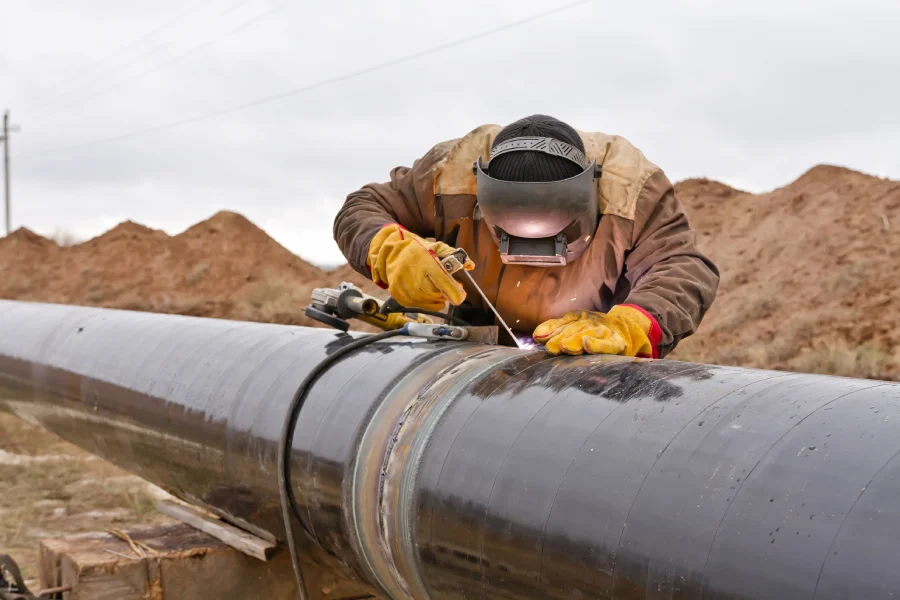
What to Check First When Flow Is Affected
If you suspect a weld issue, start with basic checks before taking major steps.
- Review recent pressure readings for sudden changes.
- Inspect visible weld seams for cracks or corrosion.
- Listen for unusual sounds near joints.
- Check for moisture or product buildup around weld lines.
- Use non-destructive testing methods if available.
Visual inspections can spot surface cracks. For deeper problems, ultrasonic or radiographic testing may reveal internal flaws. These tests help confirm whether the disruption truly comes from a weld failure.
Safe Fixes Vs Pro-Level Repairs
Small surface flaws may be ground out and rewelded if caught early. Minor corrosion can sometimes be cleaned and treated before the joint loses strength. These repairs must follow strict safety rules.
Major cracks, complete separations, or pressure-related failures require professional repair. This usually means cutting out the damaged section and replacing it with a new pipe segment. Skilled pipeline welding crews then perform a full-penetration weld and test it before bringing the line back online.
High-pressure or hazardous pipelines should never be patched as a quick fix. Temporary solutions often fail again and can cause larger damage.
Prevention Tips for Long-Term Flow Stability
Preventing weld failure starts long before the pipe goes into the ground. Quality control during pipeline welding plays a big role in long-term performance.
- Use certified welders with pipeline experience
- Clean and prep pipe surfaces before welding
- Follow proper heat settings for the pipe material
- Perform pressure testing after installation
- Schedule routine inspections during service life
Regular inspection programs help spot stress cracks early. Monitoring pressure patterns also gives early warning signs. When pipeline systems are maintained on a set schedule, unplanned shutdowns are less likely.
Get Expert Help Before a Small Crack Becomes a Big Problem
If you are seeing signs of flow loss in Demopolis, AL, I can help inspect and repair failing welds before the issue worsens. At JA Custom Fabrication and Welding Service, I focus on safe, precise pipeline welding that supports steady flow and long service life. I take every joint seriously because one weak weld can shut down an entire line. Call me at (334) 468-6750 to talk about your pipeline needs and set up a proper evaluation.