Simple Steps to Create Smooth, Clean, and Polished Weld Beads
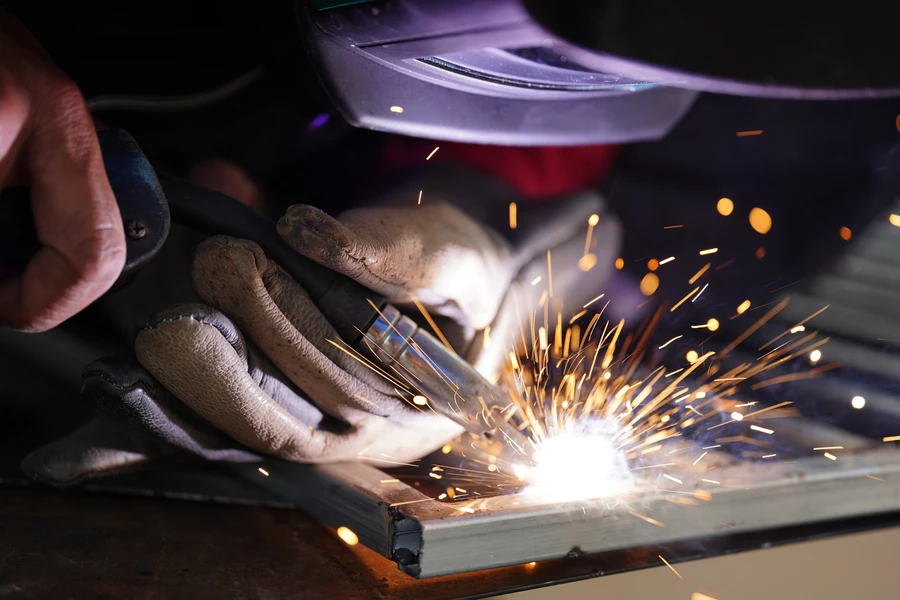
Improving the look of stainless steel welds starts with clean surfaces, proper settings, and careful finishing. If your welds look rough, dark, or uneven, small changes in prep and technique can make a big difference. With the right tools and steps, you can create smooth beads that look professional and resist rust.
What You Need Before You Start
Before you begin any stainless steel welding project, set up your materials correctly. Stainless steel shows flaws more than other metals, so prep work matters.
Here is what you should have ready:
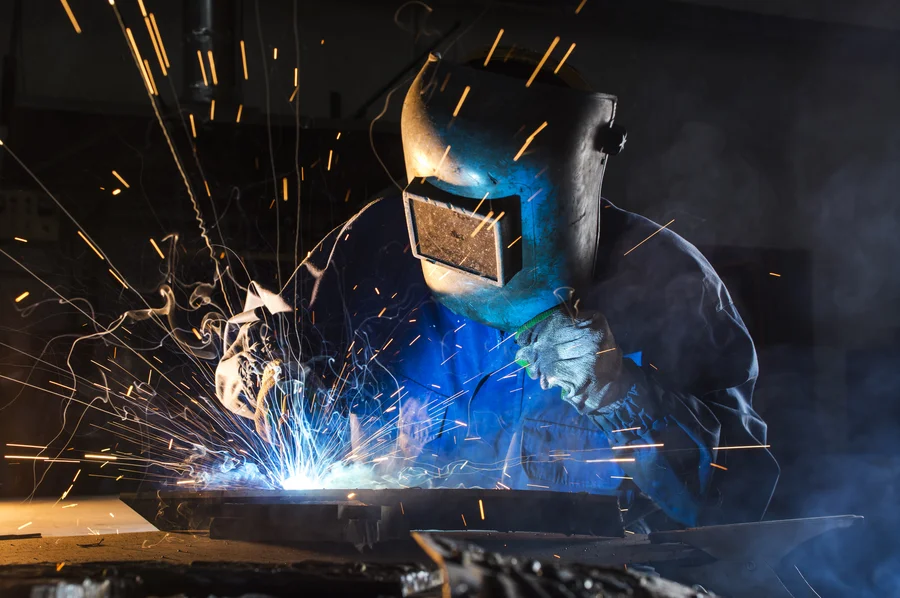
- Clean stainless steel base metal with no oil or grease
- A dedicated stainless steel wire brush
- Proper filler rod that matches the base metal
- Shielding gas, often argon for TIG welding
- Clean gloves to prevent contamination
- Grinding and polishing tools for finishing
Never use tools that touched carbon steel. Cross contamination can cause rust spots later. Even small particles can ruin the final look.
Step-by-Step Process for Better Results
Getting a clean, bright finish is about control and consistency. Follow these steps for stronger and better-looking welds.
-
Clean the surface with a solvent and wipe dry.
-
Brush the joint area with a stainless steel wire brush.
-
Set the correct amperage for the material thickness.
-
Keep a short, steady arc length while welding.
-
Move at a steady speed to avoid uneven ripples.
-
Allow the weld to cool naturally.
-
Grind lightly if needed, then polish for a smooth finish.
TIG welding is often preferred in stainless steel welding when appearance matters. It gives better control and a cleaner weld bead. MIG can also work well if your settings are correct.
Common Mistakes That Hurt Appearance
Many welds look rough because of simple errors. Watch out for these common problems:
- Overheating the metal, which causes discoloration
- Holding too long in one spot
- Using dirty filler rods
- Poor gas coverage
- Grinding too aggressively
Too much heat creates large heat-affected zones and dark blue or black marks. While some color change is normal, heavy discoloration can mean lower corrosion resistance. Proper gas flow and steady movement help prevent this.
Finishing Techniques That Improve the Final Look
After welding, finishing work makes the biggest visual difference. For decorative railing, kitchen equipment, or visible structural parts, this step matters.
You can improve the weld appearance by:
- Using flap discs to smooth high spots
- Blending the weld into the base metal
- Polishing with fine grit pads
- Applying a passivation treatment to restore corrosion resistance
Grinding should always follow the grain of the metal when possible. Random scratches will stand out, especially on brushed stainless finishes.
When to Call A Professional
If your project is highly visible or part of a commercial property, skill level makes a big difference. Food-grade equipment, medical fixtures, and architectural features require very clean welds.
A professional who specializes in stainless steel welding knows how to balance heat, filler, and gas flow. They also understand service category standards for sanitation and strength. In these cases, fixing poor welds later can cost more than doing them right the first time.
Get Expert Help for Clean, Professional Results
If you need help improving the look of your welds in Demopolis, AL, I can take a close look at your project and recommend the right finish. At JA Custom Fabrication and Welding Service, I focus on precise stainless steel welding that looks clean and lasts. Call me at (334) 468-6750 to talk about your project and schedule a time for me to help you achieve a smooth, polished result.