Simple Steps to Stop Rust and Protect Your Welded Joints
Preventing corrosion in stainless steel welds starts with proper cleaning, correct welding technique, and routine maintenance. When stainless steel welds begin to rust, it is often due to contamination, overheating, or poor post-weld care. With the right steps, you can keep welded joints strong, clean, and long-lasting.
Why Prevention Matters
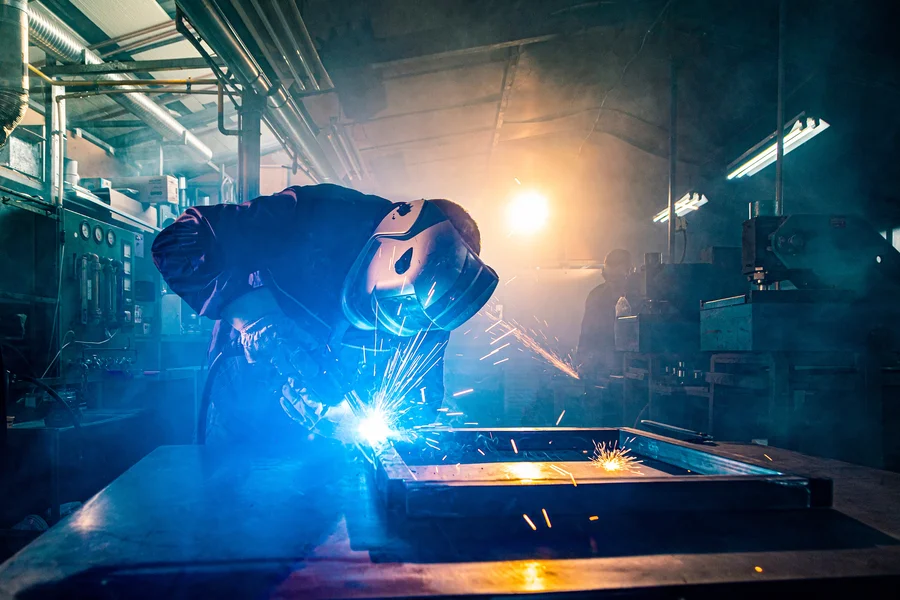
Stainless steel is known for resisting rust. But weld areas are different. The high heat used during stainless steel welding can change the metal’s surface. That heat can weaken its natural protective layer. If the weld is not cleaned or treated the right way, corrosion can start around the joint.
Once rust begins, it spreads. Over time, it can weaken railings, tanks, piping, or structural frames. Fixing corroded welds later often costs more than preventing the problem from the start.
Early Warning Signs of Weld Corrosion
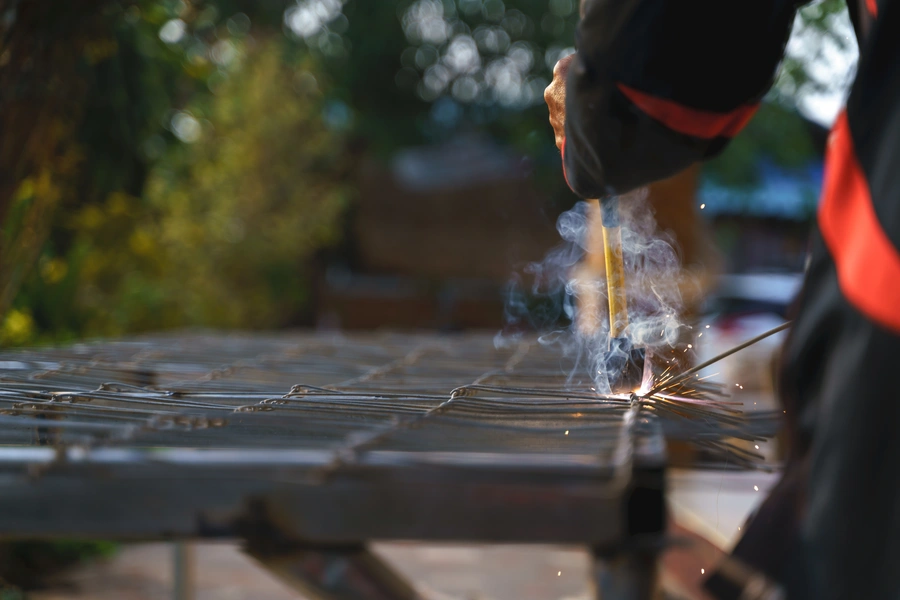
Corrosion does not happen overnight. There are warning signs you can spot early:
- Brown or orange discoloration near the weld
- Rough or pitted metal surface
- Dull or cloudy finish around the joint
- Small cracks forming along the weld bead
If you notice these signs, act quickly. Early cleaning and treatment can stop further damage.
Routine Checklist to Prevent Corrosion
Regular care protects your stainless steel welds, especially in outdoor or wet environments. Use this simple checklist:
- Clean welds after fabrication to remove dirt and debris.
- Remove heat tint with pickling paste or mechanical polishing.
- Passivate the surface to restore the protective oxide layer.
- Rinse thoroughly to remove chemical residue.
- Inspect welds every few months for discoloration.
- Keep the surface free from salt, chlorine, and harsh cleaners.
This routine is especially helpful for food-grade equipment, marine parts, and exterior handrails.
Best Practices for Long-Term Results
Good results begin during stainless steel welding. Using the correct filler metal and shielding gas helps protect the weld area. Controlling heat input also reduces the risk of damaging the steel’s protective layer.
After welding, proper finishing is key. Grinding with tools used only on stainless steel prevents cross-contamination. Using carbon steel brushes or tools can leave tiny particles behind. Those particles can rust and stain the weld.
Environmental control also helps. If the welded part will be exposed to moisture, salt air, or chemicals, consider applying extra protection. Polishing the surface to a smooth finish reduces places where water can sit.
What Not to Do
Many corrosion problems come from simple mistakes. Avoid these common issues:
- Do not skip post-weld cleaning.
- Do not use steel wool or carbon steel brushes.
- Do not leave chemical cleaners on the surface.
- Do not ignore small rust spots.
- Do not weld stainless steel in a dirty work area.
Even a small amount of iron contamination can lead to visible rust. Clean workspaces and proper handling make a big difference.
When to Schedule Professional Help
Some corrosion issues go beyond surface staining. Deep pitting, spreading rust, or cracked welds may require grinding and re-welding. In structural applications, weakened welds can become a safety issue.
If your equipment is used in medical, food service, marine, or industrial settings, professional inspection is a smart step. A trained welder can test the weld, refinish it properly, and apply the right protective treatment. This is especially helpful for high-value stainless steel systems where downtime and failure can be costly.
Get Expert Help Protecting Your Welds
If you are dealing with rusted or discolored welds in Demopolis, AL, I can help restore and protect them. At JA Custom Fabrication and Welding Service, I focus on clean, high-quality stainless steel welding that holds up over time. Call me at (334) 468-6750 to talk about your project and schedule a repair or inspection.