How Strong Metal Joints Support Safe and Stable Buildings
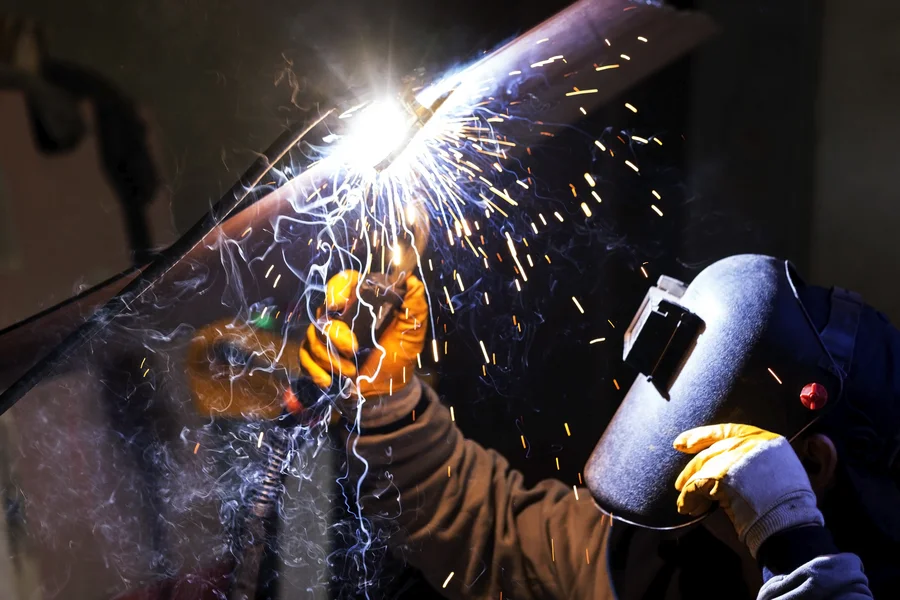
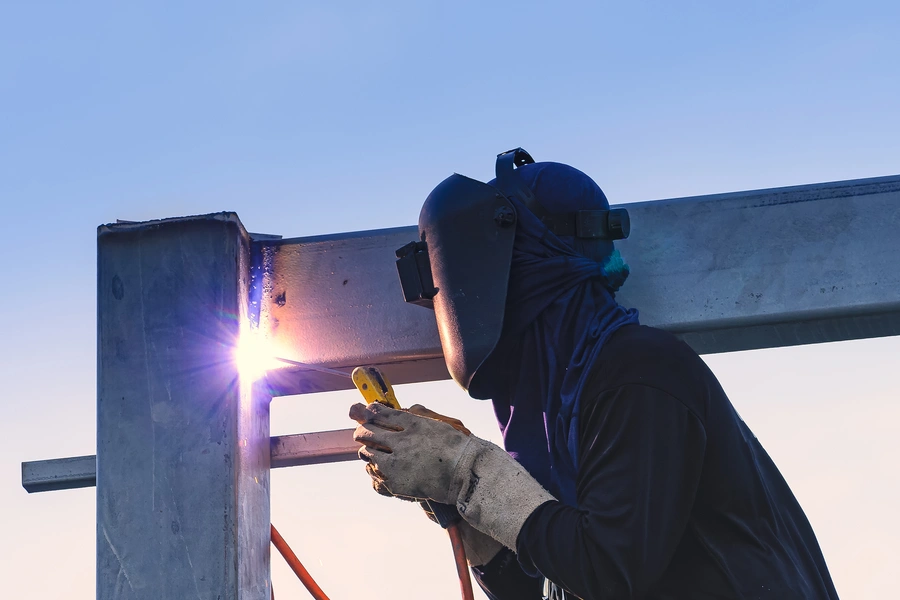
Structural welding plays a central role in large-scale construction projects because it joins steel parts into one solid frame. In big buildings, bridges, warehouses, and factories, welded connections hold beams, columns, and supports together. When done right, these welds help the structure carry heavy loads, handle wind and weather, and stay stable for many years. Without strong welded joints, even the best design would fail under pressure.
What You Need Before Starting a Large Project
Before any structural welding begins, a clear plan must be in place. Engineers create drawings that show where every steel beam and joint will go. Welders follow these plans closely.
Large projects usually require:
- Detailed blueprints and load calculations
- Certified welders with proper training
- High-quality steel materials
- Approved welding procedures
- On-site safety controls
The type of welding method also matters. Some jobs call for stick welding, while others use flux-cored or MIG processes. The choice depends on the steel type, joint design, and job site conditions.
How Structural Welding Fits Into the Construction Process
Structural welding happens in stages during a large build. Each stage builds on the one before it. Here is a simple look at how the process works:
-
Steel parts are fabricated in a shop or delivered to the job site.
-
Workers position beams and columns using cranes and lifts.
-
Temporary bolts or clamps hold pieces in place.
-
Welders create strong joints based on approved welding procedures.
-
Inspectors check weld quality through visual checks or testing methods.
-
The frame moves to the next level once connections pass inspection.
Each weld must meet strict strength and safety standards. Even a small weak spot can affect the whole structure. That is why inspection is a big part of structural welding in commercial construction.
Common Mistakes That Can Weaken a Structure
On large-scale projects, small errors can grow into major problems. Poor welding can lead to cracks, rust, or joint failure over time.
Some common mistakes include:
- Welding on dirty or wet surfaces
- Using the wrong filler metal
- Incorrect heat settings
- Skipping inspection steps
- Rushing to meet tight deadlines
Weather can also affect results. High winds, rain, or cold temperatures change how metal reacts during the welding process. Skilled crews know how to adjust for these factors so the finished joint stays strong.
Why Quality Control Matters so Much
Large buildings carry thousands of pounds of weight every day. Office towers support floors filled with people and equipment. Warehouses hold heavy inventory stacked high. Bridges handle constant traffic.
Because of this, structural welding must meet building codes and engineering standards. Inspectors often use tools like ultrasonic testing or X-rays to check inside the weld. These tests help confirm the joint has proper penetration and strength.
When welding meets code, the building performs as designed. When it does not, repairs can be expensive and time-consuming. In worst cases, unsafe welds can cause part of a structure to fail.
When to Call a Professional Team
Structural welding is not a simple DIY task. It requires training, certification, and hands-on experience. Large-scale construction projects also involve strict safety rules and permits.
You should work with experienced professionals when:
- A project involves load-bearing steel
- The build must meet commercial building codes
- Engineering approval is required
- Public safety is involved, such as bridges or schools
Professional welders know how to read blueprints, follow welding procedure specifications, and work with inspectors. They also understand how different metals react under stress. This knowledge helps create joints that last for decades.
How Structural Welding Supports Long-Term Performance
Strong welds do more than hold steel together. They help control movement, resist vibration, and reduce wear. Over time, buildings face wind, temperature changes, and daily use. Good welding allows the frame to handle these forces without cracking or bending.
In large construction projects, every beam depends on the next. Structural welding connects the entire system into one solid unit. When each weld is placed with care and checked for quality, the finished structure stands firm and safe.
Talk With a Structural Welding Professional
If you are planning a steel building project in Demopolis, AL, I can help you understand what strong welds mean for your structure. At JA Custom Fabrication and Welding Service, I focus on safe, code-ready structural welding that supports long-lasting construction. If you want to discuss your project or schedule a consultation, call me at (334) 468-6750 and I will be glad to walk you through the next steps.