Simple Ways to Reduce Warping and Keep Your Welds Straight
Heat distortion happens fast when working with aluminum. The metal heats up quickly, expands, and then shrinks as it cools. That movement can cause bending, warping, or twisting. The best way to control this is by using lower heat input, proper clamping, balanced welds, and good joint prep. With the right steps, you can keep your parts straight and limit rework during aluminum welding projects.
What You Need Before Starting
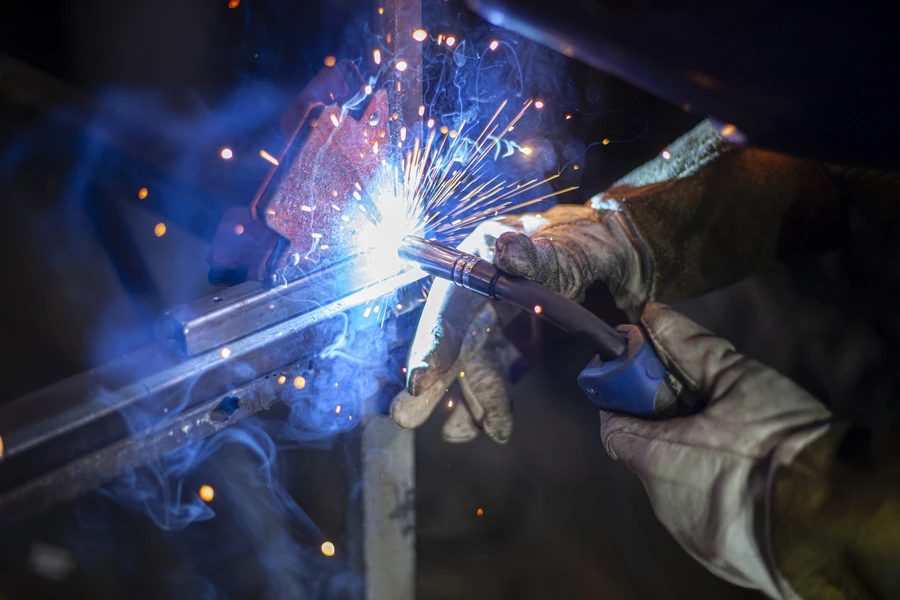
Before you strike an arc, make sure everything is ready. Aluminum is not forgiving. Small mistakes can cause big distortion.
- Clean base metal with a stainless steel brush
- Proper filler rod for the alloy
- TIG or MIG machine set for aluminum welding
- Clamps and strong fixturing
- Heat sinks or backing bars if needed
- Accurate temperature control
Clean metal helps you use less heat. Less heat means less movement. Good clamping keeps parts from shifting while welding.
Step-by-Step Process to Limit Distortion
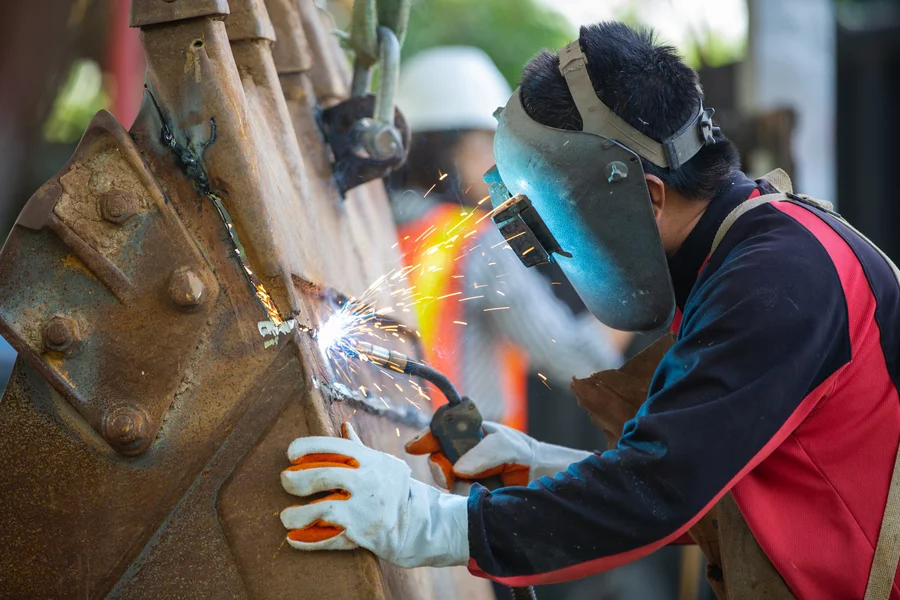
Managing heat distortion takes planning. Follow these steps for better results.
-
Fit the joint tightly. Gaps require more filler and more heat.
-
Tack weld in multiple spots. Spread tacks evenly across the joint.
-
Clamp parts to a flat surface or use a welding jig.
-
Use the lowest heat setting that still gives good fusion.
-
Weld in short sections instead of one long pass.
-
Alternate sides when possible to balance heat.
-
Allow cooling time between passes.
For example, when welding a long aluminum panel, do not run one continuous bead from end to end. Weld a few inches, stop, and move to another section. This spreads heat across the part instead of concentrating it in one area.
Common Mistakes to Avoid
Many welders struggle with aluminum welding because they treat it like steel. That leads to problems.
- Using too much amperage
- Not clamping the material securely
- Skipping tack welds
- Welding only from one direction
- Ignoring joint design
Another mistake is rushing. Aluminum reacts quickly to heat. If you move too slow, the heat builds up fast. Warping can happen before you even finish the bead.
Joint design also plays a role. Thin sections distort more than thick ones. Large flat panels are more likely to warp than small brackets. Plan your weld sequence based on the shape of the part.
Extra Techniques for Better Control
Some jobs require more advanced control methods. These tips help reduce stress in larger assemblies.
Use backstep welding. This means welding short sections in the opposite direction of the overall seam. It helps offset shrinkage stress.
Preset the joint slightly in the opposite direction of expected warping. When the weld cools and pulls, it straightens out.
Use chill bars or copper backing plates. These absorb extra heat and keep temperatures more stable.
For thin materials, pulse settings on a TIG or MIG welder can help. Pulsing lowers overall heat input while still giving proper penetration.
When to Call A Professional
Some aluminum welding projects leave little room for error. Structural parts, load-bearing frames, and precision components must stay straight. If distortion could lead to safety issues or costly delays, professional help is a smart choice.
A skilled welder knows how to plan heat control from the start. They also understand how different aluminum alloys react during welding. If a part has already warped, fixing it can take special tools and experience.
Final Recommendation and Help in Demopolis, AL
If you are dealing with warped parts or want cleaner results from aluminum welding, I can help. At JA Custom Fabrication and Welding Service, I work with customers across Demopolis, AL on projects that require careful heat control and strong, straight welds. I focus on smart setup, balanced welding methods, and long-lasting results. Call me at (334) 468-6750 to talk about your project and get it done right the first time.